
Bleeding gums are easy to ignore—especially if it only happens when brushing or flossing. But dentists agree on one thing: bleeding is never normal. It’s usually the earliest warning sign that gum disease has already begun. Here’s what bleeding gums really mean, the condition it points to, and how to stop it before it becomes a serious problem.
The Condition Behind Bleeding Gums: Gingivitis
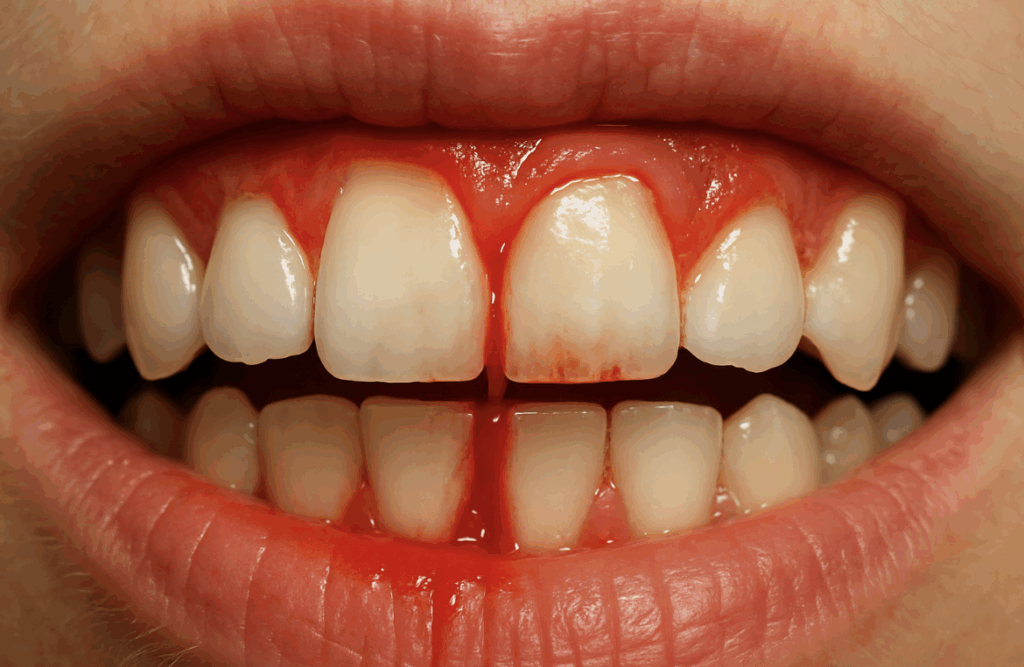
Bleeding gums are most commonly a sign of gingivitis, the earliest stage of gum disease. It starts when plaque—a sticky film of bacteria—builds up along the gumline.
Key symptoms of gingivitis:
- Gums that bleed when brushing or flossing
- Red or puffy gums
- Persistent bad breath
- Mild tenderness around the teeth
At this stage, the damage is still reversible—but only if addressed early.
Why Bleeding Happens
When plaque isn’t removed thoroughly, bacteria irritate the gums, causing inflammation. Inflamed gum tissue becomes fragile and bleeds easily, even with gentle brushing.
When Bleeding Gums Mean Something More Serious
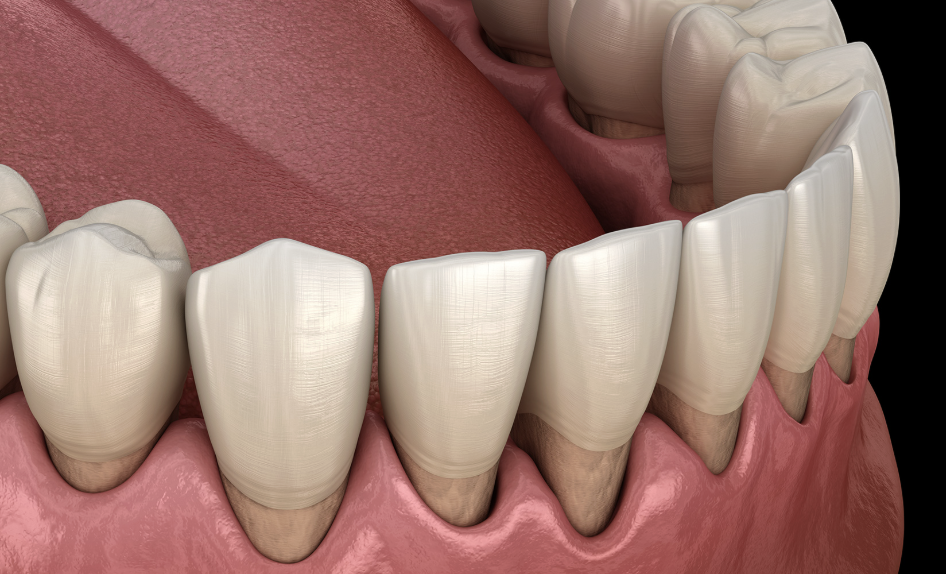
If gingivitis isn’t treated, it can progress to periodontitis, a more severe form of gum disease that can cause:
- Receding gums
- Deep pockets around the teeth
- Loose teeth
- Bone loss
Once periodontitis develops, damage is much harder to reverse.
Other Possible Causes of Bleeding Gums

Although gingivitis is the most common cause, bleeding gums can also be linked to:
- Vitamin C deficiency
- Vitamin K deficiency
- Hormonal shifts (pregnancy, menopause)
- Certain medications (blood thinners)
- Smoking or vaping
If bleeding happens daily or worsens, it’s time for a dental checkup.
How to Stop Bleeding Gums and Reverse Early Gum Disease

1. Brush Twice Daily (Gentle but Thorough)
Use a soft-bristle brush and focus on the gumline.
2. Floss Every Day
This removes plaque your toothbrush can’t reach.
3. Try an Antiseptic Mouthwash
Chlorhexidine or essential-oil mouthwashes can reduce bacteria.
4. Boost Vitamin C and K Intake
Citrus fruits, leafy greens, bell peppers, kiwi, and broccoli support gum health.
5. Quit Smoking or Vaping
Nicotine restricts blood flow and delays gum healing.
6. See Your Dentist Twice a Year
Professional cleanings remove hardened plaque (tartar) that brushing can’t.
When to See a Dentist Immediately
- Bleeding lasts more than one week
- Gums look dark red or purple
- There’s pain, swelling, or pus
- Teeth feel loose or sensitive
Bleeding gums aren’t just a brushing mistake—they’re one of the earliest and clearest signs of gingivitis, meaning gum disease has likely already started. The good news? With proper care and early action, you can reverse it and protect your teeth for the long term.
Also read: Excessive Sweating and Fatigue? 5 Signs of Vitamin D Deficiency