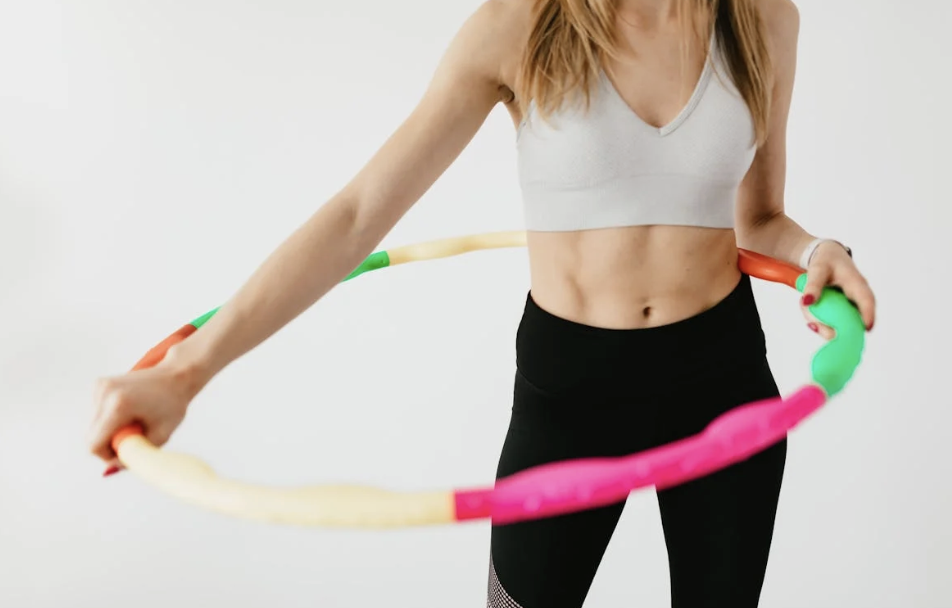
You can eat healthy, count calories, and still struggle to lose weight—because what you do after meals matters more than most people realize. Certain post-meal habits can quietly sabotage fat loss by spiking blood sugar, slowing digestion, or encouraging fat storage. If the scale isn’t moving, this may be why.
The Habit That Hurts Weight Loss: Sitting or Lying Down Immediately After Eating

After a meal, many people:
- Sit for long periods
- Lie down on the couch or bed
- Scroll on their phone without moving
This may feel harmless, but it interferes with how your body handles glucose and calories.
Why This Slows Fat Loss
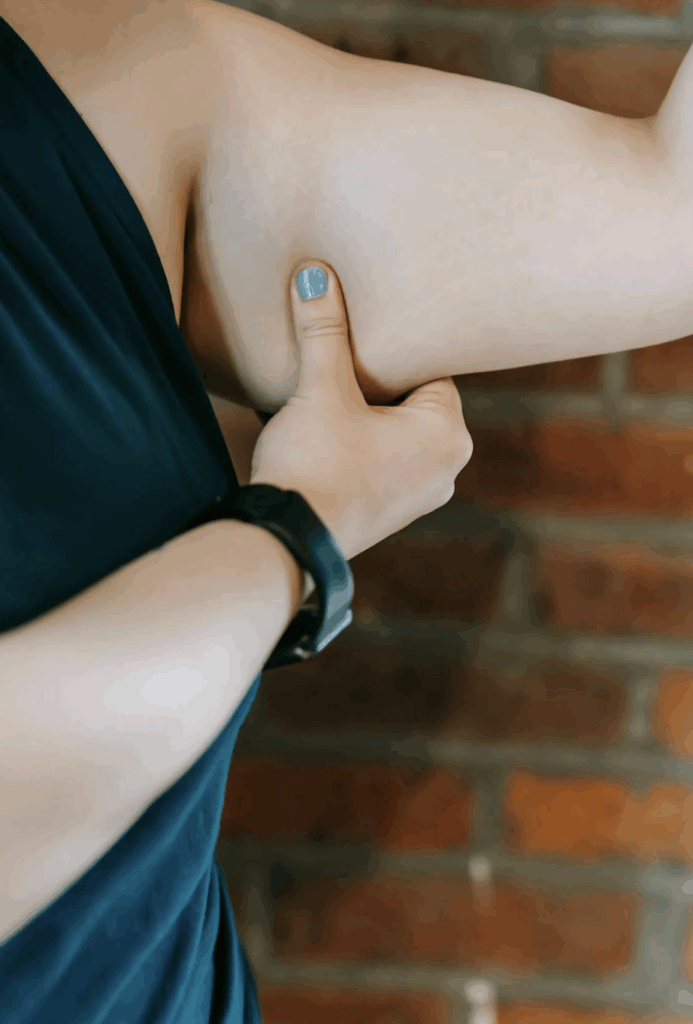
1. Blood Sugar Stays Elevated Longer
When you stay inactive after eating, glucose remains in the bloodstream instead of being used by muscles.
2. Insulin Spikes Last Longer
Prolonged insulin elevation encourages fat storage and blocks fat burning.
3. Digestion Becomes Sluggish
Lying down can slow digestion and increase bloating or acid reflux.
4. Fewer Calories Are Burned
Even light movement increases post-meal calorie usage—doing nothing eliminates this benefit.
What Research Suggests Instead

Light movement after meals improves glucose control and supports weight loss.
Effective options include:
- A 5–15 minute walk
- Light household chores
- Standing or gentle stretching
You don’t need intense exercise—consistency matters more than intensity.
Why Post-Meal Walking Works
- Muscles absorb glucose without needing as much insulin
- Blood sugar returns to baseline faster
- Cravings later in the day decrease
- Fat-burning hormones remain active longer
This is especially helpful for people over 40 or those with insulin resistance.
Other Post-Meal Habits That Can Slow Weight Loss
- Drinking sugary beverages or desserts right after eating
- Smoking immediately after meals
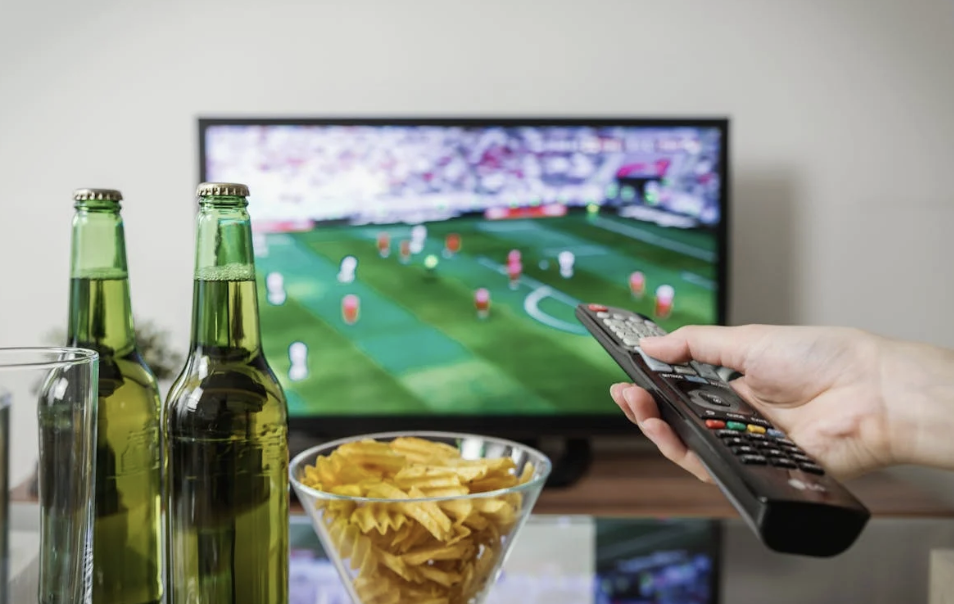
- Mindless snacking while watching TV
- Sleeping too soon after dinner
Simple Rule to Follow
After every main meal:
- Stay upright
- Move lightly for at least 10 minutes
This small habit can significantly improve long-term results.