
How Proper Hydration Improves Metabolism, Energy, and Appetite Contro
The Overlooked Weight Loss Factor Most People Ignore
People obsess over calories, protein intake, steps, and workout plans — yet completely overlook the most basic metabolic tool available: water.
Even mild dehydration can quietly reduce fat-burning efficiency, increase hunger signals, and drain daily energy levels. Many people mistake thirst for hunger and fatigue for laziness.
The result?
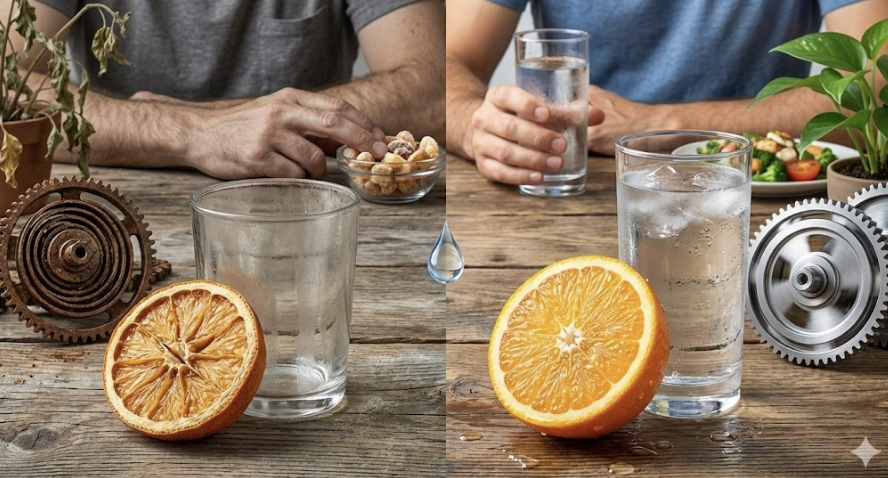
- Unnecessary snacking
- Slower metabolism
- Poor workout performance
- Increased sugar cravings
- Stubborn fat loss plateaus
Hydration is not a wellness trend. It’s a biological requirement for every metabolic process in your body.
How Dehydration Slows Fat Loss
1. Water Drives Metabolic Reactions

Every calorie you burn requires water. Fat metabolism, nutrient transport, and temperature regulation all depend on adequate hydration.
When fluid levels drop:
- Cellular energy production slows
- Fat oxidation efficiency decreases
- Circulation becomes less efficient
- Body temperature regulation strains
Your body shifts into conservation mode instead of performance mode.
2. Thirst Mimics Hunger Signals
The brain often confuses dehydration with hunger. Many cravings are simply misinterpreted thirst signals.

This leads to:
- Unnecessary calorie intake
- Increased snacking frequency
- Poor appetite awareness
- Disrupted portion control
Drinking water before reaching for food can significantly reduce impulsive eating.
3. Dehydration Reduces Workout Output
Even a 1–2% drop in hydration can reduce physical performance.

Common effects include:
- Faster fatigue
- Reduced endurance
- Lower strength output
- Poor recovery
Lower training quality equals fewer calories burned and slower body composition changes.
4. Digestive Efficiency Declines
Water supports digestion, fiber movement, and nutrient absorption.
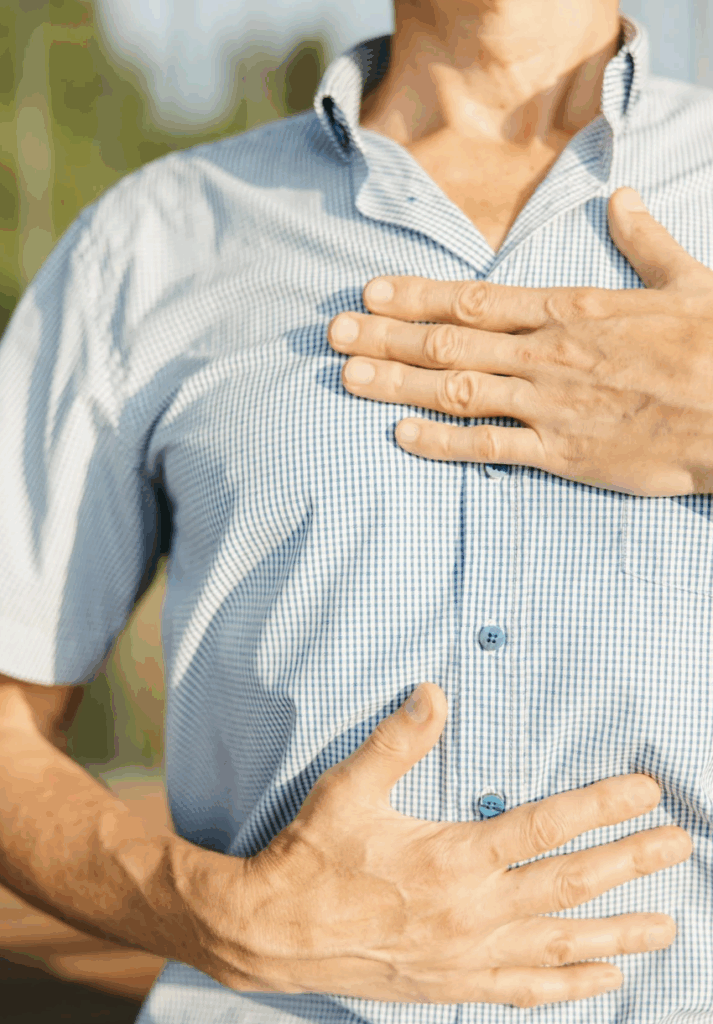
Insufficient hydration contributes to:
- Slower digestion
- Bloating and discomfort
- Constipation
- Reduced gut motility
A sluggish digestive system disrupts appetite regulation and energy stability.
What Proper Hydration Improves
When hydration becomes consistent, most people notice:

- ✔ Reduced cravings
- ✔ Better energy throughout the day
- ✔ Improved digestion and regularity
- ✔ Higher workout performance
- ✔ More stable appetite control
- ✔ Improved skin and recovery
Small inputs create compound returns.
How Much Water Do You Actually Need?
Hydration needs vary based on body size, activity level, climate, and diet.
A simple guideline:
- 30–35 ml per kg of body weight daily
Example:
- 60 kg → 1.8–2.1 liters
- 70 kg → 2.1–2.4 liters
Additional needs increase with exercise, heat exposure, and high-protein intake.
Urine color remains the most practical indicator: pale yellow = well hydrated.
The Smart Hydration Strategy (Simple and Sustainable)
Step 1: Start Your Morning With Water
Drink 400–500 ml within 30 minutes of waking.
This rehydrates overnight losses and activates metabolism.
Step 2: Drink Before Meals
One glass of water 15 minutes before meals improves portion awareness and digestion.
Step 3: Carry Water Everywhere
Make hydration frictionless. Visual access drives compliance.
Step 4: Add Electrolytes When Needed
Heavy sweating or long workouts require sodium and potassium replenishment.
Step 5: Limit Liquid Calories
Sugary beverages sabotage hydration benefits and spike appetite.
Water, sparkling water, and unsweetened tea remain best choices.
When Hydration Matters Even More
Hydration becomes critical if you:
- Are actively losing weight
- Train regularly
- Consume high protein diets
- Live in hot or dry climates
- Experience frequent headaches or fatigue
- Struggle with constipation
Common Hydration Myths
Myth: Coffee dehydrates you completely.
Reality: Moderate coffee still contributes to fluid intake.
Myth: You only need water when thirsty.
Reality: Thirst appears after mild dehydration already begins.
Myth: More water always means better results.
Reality: Balance matters — excessive water without electrolytes can cause imbalance.
How to Make Hydration Automatic
- Anchor water to habits (waking, meals, workouts)
- Use marked bottles for visual tracking
- Flavor water naturally with citrus or herbs
- Track consistency, not perfection
Consistency compounds faster than motivation.
Recommended Reading & Resources
Internal Articles
- Top 4 Foods That Trigger Blood Sugar Spikes
→ Supports appetite regulation and energy stability strategy. - Walking vs. Running: Which Cardio Supports Sustainable Fat Loss?
→ Complements hydration with exercise efficiency optimization. - Natural Ways to Boost Metabolism and Burn More Calories
→ Connects hydration with recovery and hormonal balance.
External References (High Trust Sources)
- Mayo Clinic – Water: How Much Should You Drink Every Day?
https://www.mayoclinic.org/healthy-lifestyle/nutrition-and-healthy-eating/in-depth/water/art-20044256 - Cleveland Clinic – Signs of Dehydration and Why Hydration Matters
https://health.clevelandclinic.org/dehydration/
Final Takeaway
If fat loss feels slower than expected, energy stays low, or cravings remain stubborn — hydration may be the missing foundation.
Drink consistently, fuel intelligently, and let your metabolism work efficiently instead of fighting dehydration every day.